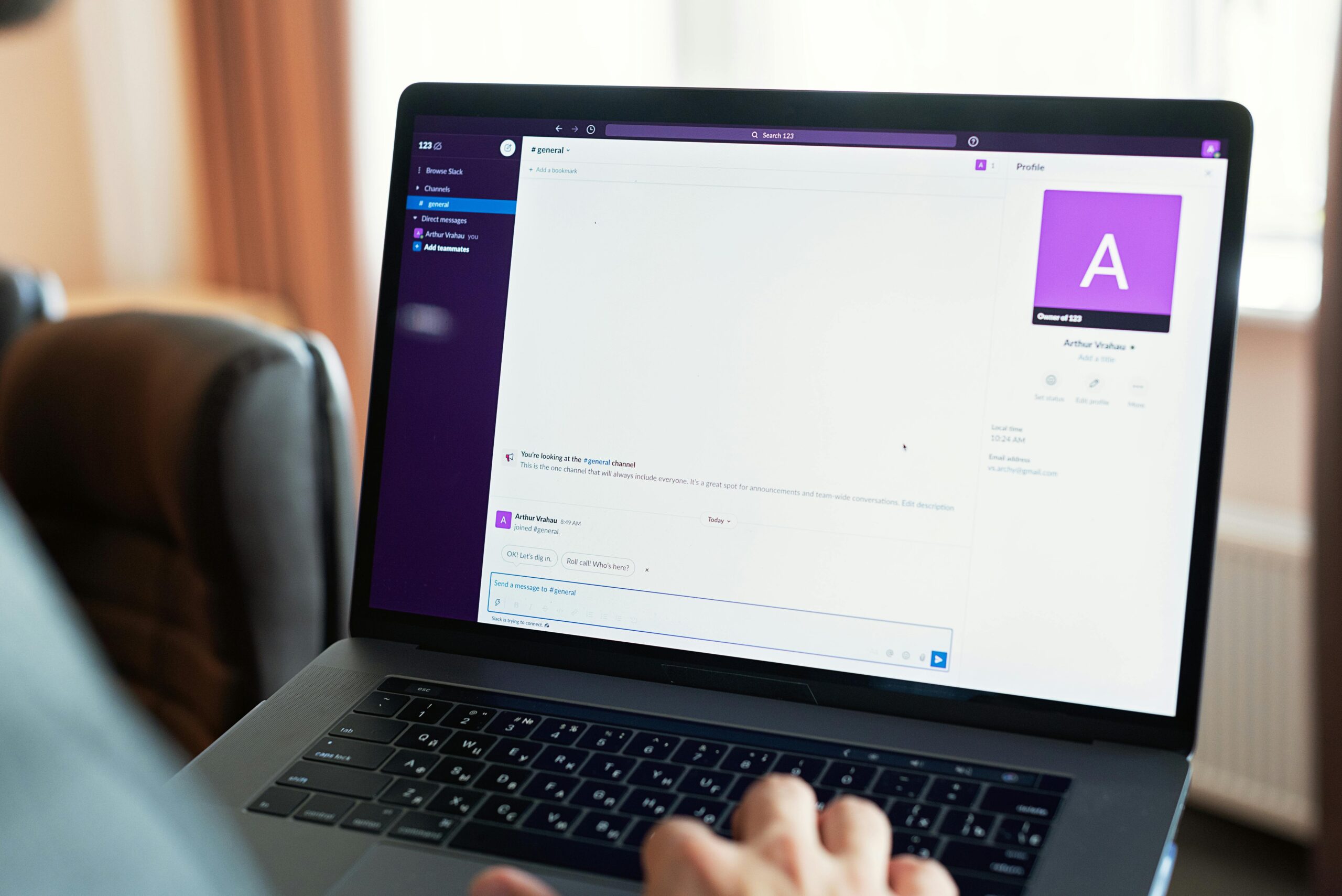
Mastering conversational shortcuts transforms everyday digital interactions into seamless experiences, empowering users to navigate technology with unprecedented speed and precision.

🚀 The Evolution of User Command Interfaces
Modern software design has undergone a remarkable transformation, shifting from complex menu hierarchies to intuitive conversational interfaces that respond to natural language. This evolution represents more than just aesthetic changes—it fundamentally reimagines how masterful users interact with their digital tools. The journey from command-line interfaces to graphical user interfaces, and now to conversational shortcuts, demonstrates our continuous pursuit of effortless efficiency.
Power users have always sought ways to bypass unnecessary steps, creating workflows that eliminate friction between intention and action. Conversational shortcuts represent the next frontier in this quest, allowing experienced users to leverage natural language patterns while maintaining the precision of traditional commands. This hybrid approach combines the accessibility of conversation with the power of structured input, creating a uniquely effective interaction paradigm.
The most successful implementations of conversational shortcuts don’t simply replicate existing functionality with different syntax. Instead, they anticipate user needs, learn from patterns, and adapt to individual preferences. This intelligent responsiveness distinguishes truly masterful interfaces from mere novelties, creating systems that grow more efficient with continued use.
⚡ Understanding the Psychology Behind Efficient Shortcuts
Human cognitive architecture favors patterns and shortcuts, making conversational commands a natural fit for how our brains process information. When we interact with technology using familiar linguistic structures, we reduce cognitive load and increase processing speed. This psychological alignment explains why well-designed conversational shortcuts feel intuitive even to first-time users, while simultaneously offering depth for advanced practitioners.
The concept of “chunking” in cognitive psychology plays a crucial role in shortcut efficiency. Expert users naturally group related actions into meaningful sequences, creating mental models that align with conversational patterns. By designing shortcuts that mirror these natural groupings, developers enable users to execute complex operations with minimal conscious effort. The result is a workflow that feels less like operating software and more like thinking with tools.
Muscle memory and linguistic memory operate on different cognitive pathways, and conversational shortcuts leverage both simultaneously. While traditional keyboard shortcuts rely primarily on motor pattern recognition, conversational approaches engage semantic processing, offering alternative pathways to the same outcomes. This redundancy proves especially valuable when users switch devices or contexts where physical interfaces vary but language remains constant.
🎯 Designing Shortcuts That Feel Natural
Creating effective conversational shortcuts requires balancing brevity with clarity, ensuring commands remain memorable without becoming cryptic. The most successful shortcuts employ consistent grammatical structures, predictable vocabulary, and logical progressions that users can internalize through repeated use. This consistency transforms scattered commands into a coherent language that masterful users can speak fluently.
Natural language processing capabilities have advanced dramatically, enabling systems to understand context, infer intent, and handle variations in phrasing. Modern conversational shortcuts don’t require users to memorize exact syntax; instead, they accommodate flexible expression while maintaining reliable execution. This flexibility reduces friction for new users while preserving the precision that advanced users demand.
Consider the difference between a command like “file_export_pdf_highres” versus “export this as a high-resolution PDF.” The latter feels conversational yet remains unambiguous, reducing the mental translation required between thought and action. Effective shortcut design embraces this conversational quality while maintaining the deterministic outcomes that power users expect from their tools.
🛠️ Building Your Personal Shortcut Vocabulary
Developing mastery with conversational shortcuts begins with identifying repetitive workflows in your daily routine. Track which actions consume the most time or require the most steps, then prioritize learning shortcuts for these high-frequency operations. This focused approach delivers immediate productivity gains while building momentum toward comprehensive proficiency.
Start with shortcuts that replace three or more manual steps, as these provide the clearest efficiency improvements. Document your personal shortcut library, noting not just the commands themselves but the contexts where they prove most valuable. This documentation serves as both reference material and a catalyst for discovering new optimization opportunities as your usage patterns evolve.
Practice sessions dedicated specifically to shortcut execution accelerate internalization far more effectively than passive reference checking. Deliberately use shortcuts even when familiar manual methods might be faster initially—this temporary inefficiency quickly reverses as motor and linguistic patterns solidify. Within weeks, conversational shortcuts become your default interaction mode rather than conscious alternatives.
📱 Mobile Optimization and Cross-Platform Consistency
The proliferation of mobile devices has made cross-platform consistency essential for conversational shortcuts. Masterful users expect their learned patterns to function regardless of device, screen size, or input method. Applications that maintain conversational shortcut compatibility across desktop and mobile platforms enable truly seamless workflows that adapt to user context without requiring mental mode-switching.
Voice activation represents a particularly powerful implementation of conversational shortcuts on mobile devices, where traditional input methods prove cumbersome. Speaking commands while multitasking transforms smartphones from handheld computers into responsive assistants that execute complex operations through natural conversation. This hands-free capability extends efficiency beyond situations where manual interaction is merely inconvenient to scenarios where it’s genuinely impractical.
Gesture-based conversational shortcuts offer another mobile-optimized approach, combining touch patterns with contextual awareness to create fluid interaction sequences. Swipe patterns that trigger different actions based on current context essentially function as physical manifestations of conversational logic, enabling touch-based “conversations” that feel remarkably intuitive despite their technical sophistication.
🎨 Customization and Personalization Strategies
The most powerful conversational shortcut systems allow extensive customization, enabling users to create personal command vocabularies that align with their unique mental models. This customization capability transforms generic shortcuts into personalized efficiency tools that reflect individual workflow preferences and terminology habits. Users who invest time in thoughtful customization reap exponential productivity returns through perfectly tailored interaction patterns.
Aliasing functionality enables advanced users to assign multiple phrases to single actions, accommodating natural variation in how they think about tasks. Creating shortcuts for “quick save,” “checkpoint,” and “preserve changes” that all execute identical operations eliminates the cognitive friction of remembering precise terminology, allowing thought to flow directly into action without translation overhead.
Contextual awareness elevates customization from static command mapping to dynamic interaction adaptation. Shortcuts that respond differently based on active application, selected content, or time of day create intelligent assistance that anticipates needs rather than merely responding to explicit requests. This contextual intelligence represents the frontier of conversational shortcut sophistication, blurring boundaries between tool operation and collaborative partnership.
🔄 Integration Ecosystems and Workflow Automation
Conversational shortcuts achieve their greatest impact when integrated across entire application ecosystems, enabling cross-platform automation through unified commands. Master users construct elaborate workflow chains triggered by simple conversational inputs, orchestrating multiple applications to execute complex processes autonomously. This orchestration capability transforms individual shortcuts from time-savers into force multipliers that redefine productivity possibilities.
API integration enables conversational shortcuts to bridge traditionally siloed applications, creating seamless data flow between specialized tools. A single conversational command might extract data from a spreadsheet, generate a visualization, insert it into a presentation, and distribute the result—all without manual intervention. These integrated workflows eliminate repetitive inter-application tasks that individually seem minor but collectively consume substantial time and attention.
Automation platforms like Tasker for Android demonstrate the potential of conversational shortcuts within comprehensive automation ecosystems. Users can create sophisticated conditional workflows triggered by voice commands, transforming smartphones into context-aware productivity engines. The learning curve for such systems justifies itself many times over for users whose workflows benefit from intelligent automation.
🧠 Advanced Techniques for Power Users
Parameter injection within conversational shortcuts enables dynamic command execution that adapts to real-time data and conditions. Rather than creating dozens of specific shortcuts for variations of similar tasks, masterful users construct parametric commands that accept variables, dramatically expanding functionality while minimizing memorization requirements. This approach mirrors function programming concepts, bringing software development paradigms into everyday user interaction.
Chaining shortcuts into sequential workflows creates meta-commands that execute complex procedures through single invocations. These shortcut chains function as personal scripts, automating multi-step processes that would otherwise require sustained attention and manual coordination. Advanced users document their most valuable chains, creating libraries of sophisticated automation tools accessible through simple conversational triggers.
Conditional logic within shortcuts enables decision-making automation, executing different actions based on specified criteria. A conversational command like “prepare morning briefing” might check calendar availability, compile relevant news based on scheduled meetings, and format output differently for home versus office contexts—all determined automatically through embedded conditional logic. This intelligence transforms shortcuts from simple command substitutes into autonomous workflow assistants.
📊 Measuring and Optimizing Shortcut Efficiency
Quantifying efficiency gains from conversational shortcuts provides both motivation and guidance for ongoing optimization efforts. Time-tracking applications can measure workflow duration before and after shortcut adoption, demonstrating tangible productivity improvements. These metrics validate investment in learning new commands while identifying which shortcuts deliver the greatest returns, enabling data-driven prioritization of further optimization efforts.
Cognitive load assessment, though more subjective than time measurement, offers equally valuable insights into shortcut effectiveness. Tasks that previously required conscious attention and decision-making may become automatic through well-designed conversational shortcuts, freeing mental resources for higher-value activities. This qualitative improvement in work experience often matters more than raw time savings, contributing to reduced fatigue and increased creative capacity.
Regular workflow audits identify opportunities for new shortcuts and reveal outdated commands that no longer serve current needs. As work patterns evolve, shortcut vocabularies should adapt correspondingly, maintaining alignment between tools and tasks. Quarterly reviews ensure your conversational shortcut system remains optimized for current priorities rather than reflecting historical workflows that no longer represent daily reality.
🌟 The Future of Conversational Interface Design
Artificial intelligence integration promises to revolutionize conversational shortcuts, enabling systems that understand intent even from ambiguous or incomplete commands. Machine learning models trained on individual usage patterns will anticipate needs before explicit articulation, suggesting shortcuts proactively rather than waiting for user discovery. This predictive assistance represents a paradigm shift from reactive tools to proactive partners in productivity.
Natural language understanding will continue advancing toward true comprehension rather than pattern matching, enabling genuinely conversational interaction where users can express needs in arbitrary phrasing without learning specific syntax. This flexibility will democratize power-user capabilities, making advanced features accessible to broader audiences while maintaining depth for specialists who desire precision control.
Multimodal integration combining voice, gesture, gaze tracking, and contextual awareness will create shortcut systems that respond to holistic user intent rather than isolated commands. Future interfaces may interpret a glance at content combined with a voice command and a gesture as a unified instruction, executing complex operations through natural combinations of input modalities. This convergence will make conversational shortcuts feel less like operating software and more like collaborating with intelligent assistants.
💡 Practical Implementation Guide for Organizations
Organizations seeking to deploy conversational shortcuts across teams should begin with comprehensive workflow analysis, identifying common tasks that consume disproportionate time or generate frequent errors. Standardizing shortcuts for these high-impact operations delivers immediate organizational efficiency gains while establishing foundations for broader adoption. Documentation and training ensure consistent usage, preventing fragmentation where different team members develop incompatible personal systems.
Change management considerations prove crucial for successful organizational shortcut adoption, as established users often resist learning new interaction paradigms despite long-term benefits. Demonstrating tangible productivity improvements through pilot programs builds momentum, while champion users who master shortcuts early provide peer support and real-world success examples. Patience during transition periods yields substantial returns once critical mass adoption transforms shortcuts from individual tools into organizational infrastructure.
Security and governance frameworks must address the expanded capabilities that conversational shortcuts provide, ensuring powerful automation tools don’t create vulnerability vectors. Access controls, audit logging, and approval workflows for high-consequence operations balance efficiency with appropriate safeguards. Thoughtful policy development enables organizations to harness shortcut power while maintaining necessary oversight and compliance requirements.

🔑 Mastery Through Deliberate Practice
Achieving true mastery with conversational shortcuts requires moving beyond simple memorization to develop intuitive fluency where commands flow naturally from thought. Deliberate practice techniques from skill acquisition research apply directly to shortcut learning: focused repetition, immediate feedback, and progressive complexity increase. Dedicated practice sessions, though initially slower than familiar methods, accelerate competency development far beyond casual intermittent usage.
Teaching others proves remarkably effective for deepening personal mastery, as explaining shortcuts forces articulation of underlying principles and usage patterns. Mentoring colleagues through their shortcut adoption journey reinforces your own understanding while contributing to organizational capability development. This teaching-to-learn approach benefits both parties, creating virtuous cycles of increasing expertise.
Continual exploration of new shortcuts and advanced features prevents stagnation, ensuring your skills evolve alongside developing software capabilities. Allocating regular time for experimentation with unfamiliar commands discovers optimization opportunities that routine usage never reveals. This commitment to ongoing learning distinguishes true masters from merely proficient users, maintaining competitive advantage in rapidly evolving technological landscapes.
The journey toward effortless efficiency through conversational shortcuts represents an investment that compounds over time, delivering returns that far exceed initial learning costs. As natural language processing continues advancing and conversational interfaces become increasingly sophisticated, early adopters who develop mastery now position themselves at the forefront of productivity evolution. The combination of reduced cognitive load, accelerated task execution, and enhanced creative capacity creates transformative improvements in how masterful users interact with technology, turning software from tools we operate into partners we collaborate with seamlessly.