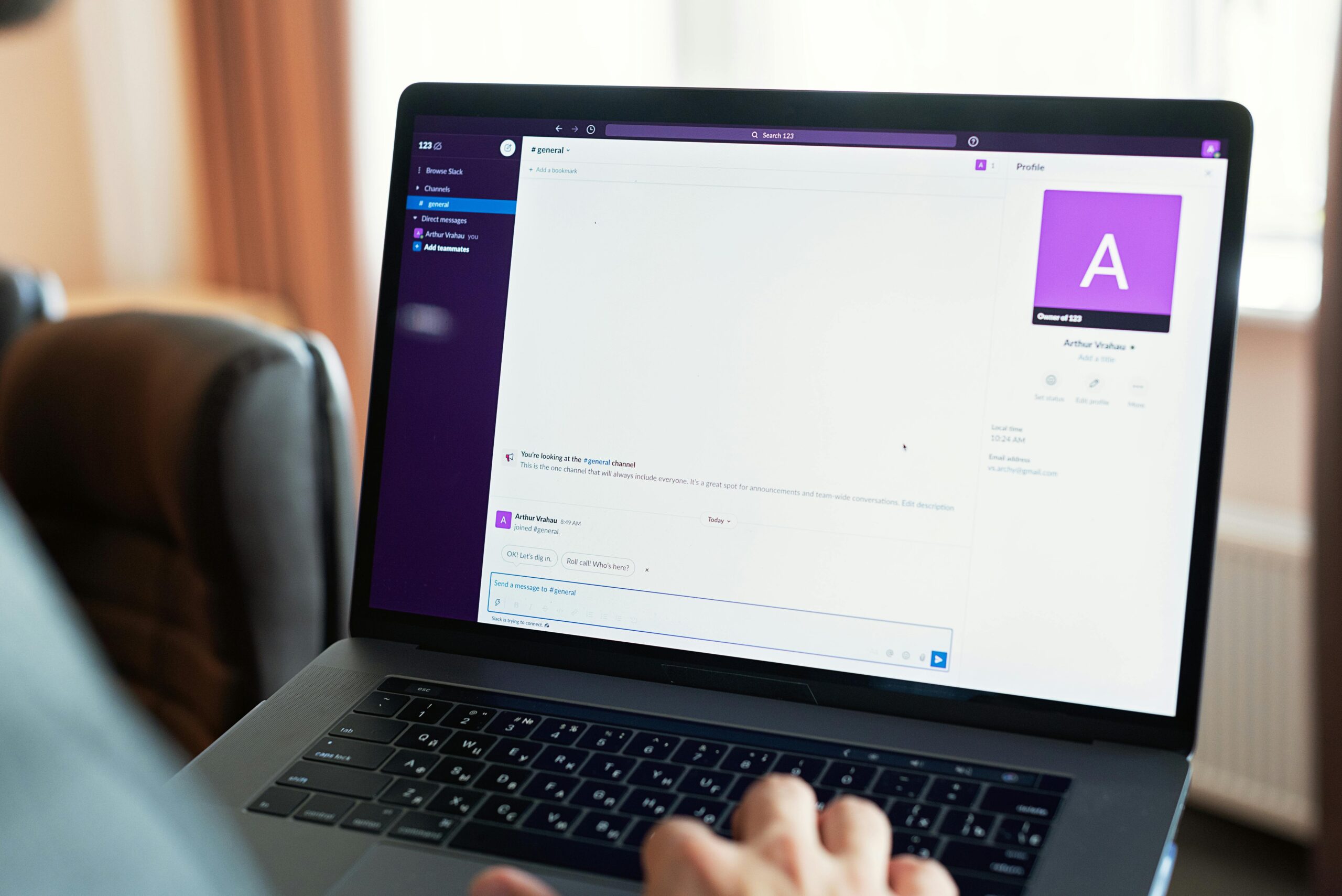
In today’s fast-paced digital world, the art of communication has evolved dramatically. Virtual assistants must master the delicate balance between being thorough and being brief.

🎯 Understanding the Modern Communication Challenge
Virtual assistants have become integral to our daily lives, helping millions of users navigate everything from simple queries to complex problem-solving. Yet, one persistent challenge remains: how do these AI-powered helpers provide responses that are both comprehensive and concise? This question lies at the heart of effective digital communication.
The challenge isn’t just about reducing word count. It’s about understanding context, anticipating user needs, and delivering value in every sentence. When someone asks a question, they’re investing their time and attention—resources that are increasingly precious in our information-saturated world.
Research shows that users typically spend less than 15 seconds evaluating whether a response meets their needs. This brief window demands that assistants deliver immediate value while maintaining depth where necessary. The balance isn’t about choosing between quality and brevity—it’s about achieving both simultaneously.
📊 The Psychology Behind User Expectations
Understanding what users truly want from assistant interactions requires diving into human psychology and behavior patterns. Different users approach queries with varying expectations, and successful assistants must adapt accordingly.
When users pose simple questions, they expect quick, direct answers. Asking about the weather shouldn’t trigger a meteorology lesson. However, when users face complex decisions or seek to learn new skills, they appreciate more detailed guidance. The key is recognizing which scenario applies.
Cognitive load theory suggests that humans can only process limited information at once. Overwhelming users with excessive details creates mental fatigue and reduces comprehension. Conversely, oversimplifying complex topics can leave users frustrated and seeking additional sources.
Identifying User Intent Signals
Smart assistants analyze multiple factors to determine appropriate response length and depth. Question phrasing offers crucial clues—words like “quick,” “simply,” or “briefly” signal preference for conciseness. Conversely, phrases like “explain thoroughly” or “help me understand” indicate willingness for detailed responses.
Context matters enormously. A user researching a major purchase decision likely wants comprehensive information. Someone seeking a quick fact check during a conversation needs immediate, accurate data. Previous interaction history also reveals patterns in how individual users prefer to receive information.
✂️ Strategies for Achieving Conciseness Without Sacrificing Value
Crafting concise yet helpful responses requires deliberate strategy and constant refinement. The following approaches help assistants strike the optimal balance consistently.
Front-Loading Critical Information
The inverted pyramid structure, borrowed from journalism, places the most important information first. Users should grasp the core answer within the opening sentences. Supporting details, context, and elaboration can follow for those who want deeper understanding.
This approach respects user time while accommodating different information needs. Someone satisfied with the initial answer can move on immediately. Others can continue reading for additional context and nuance.
Eliminating Redundancy and Filler
Every word should serve a purpose. Phrases like “it’s important to note that” or “you should be aware that” often add nothing substantive. Direct statements convey the same information more efficiently.
Assistants must also avoid repeating the user’s question back to them unnecessarily. If someone asks “What’s the capital of France?” responding with “The capital of France is Paris” wastes their time. Simply answering “Paris” demonstrates respect for their intelligence.
Using Structured Formatting Strategically
Well-organized responses help users quickly locate the information they need. Strategic formatting transforms walls of text into scannable, digestible content.
- Bullet points highlight key takeaways and action items efficiently
- Short paragraphs improve readability and reduce cognitive load
- Bold text draws attention to critical concepts without requiring full reading
- White space gives readers’ eyes natural rest points throughout longer responses
🔍 Contextual Adaptation: Reading the Room
The perfect response length isn’t fixed—it fluctuates based on numerous contextual factors. Exceptional assistants develop sophisticated contextual awareness that informs every interaction.
Time-sensitive queries demand swift, focused answers. When someone asks about restaurant hours while standing outside the establishment, they need immediate information, not a review of the menu or restaurant history. Emergency-related queries require similarly direct responses.
Conversely, educational queries often benefit from more detailed explanations. Someone learning a new programming language or exploring a complex topic appreciates step-by-step guidance, relevant examples, and contextual information that builds genuine understanding.
Platform-Specific Considerations
The medium through which users interact with assistants significantly influences optimal response characteristics. Voice-based assistants must prioritize brevity since users process spoken information differently than written text. Responses exceeding 30 seconds risk losing attention.
Text-based assistants have more flexibility but should still respect mobile contexts. Many users access these tools on smartphones with limited screen space. Responses requiring excessive scrolling create poor user experiences.
💡 Advanced Techniques for Information Density
Delivering maximum value in minimum space requires mastering information density—the art of packing meaningful content into concise expressions.
Precision in Language Selection
Word choice dramatically impacts both clarity and length. Selecting precise vocabulary eliminates the need for lengthy explanations. Instead of writing “a person who specializes in the study of animals,” simply use “zoologist.”
Active voice typically conveys information more directly than passive constructions. “The committee approved the proposal” beats “The proposal was approved by the committee” in both brevity and clarity.
Layered Information Architecture
Sophisticated assistants structure responses in layers, allowing users to drill down based on interest. The initial response provides the essential answer. Follow-up options offer paths to deeper exploration without forcing information on those who don’t want it.
This approach particularly shines for complex topics with multiple facets. Users control their information consumption, receiving exactly the depth they desire without feeling overwhelmed or underwhelmed.
🎨 The Role of Personality and Tone
While conciseness matters, assistants shouldn’t sacrifice personality entirely. Warm, engaging communication builds rapport and makes interactions more enjoyable—even brief ones.
Strategic personality elements enhance rather than detract from efficiency. A well-placed emoji can convey tone that might otherwise require multiple words to establish. Conversational language often proves more concise than formal alternatives while feeling more approachable.
However, personality must never overshadow substance. Jokes, tangents, or excessive friendliness that don’t serve the user’s goal represent inefficiency. The best assistants know when warmth enhances communication and when it becomes distraction.
📈 Measuring Response Effectiveness
How do we know when assistants achieve optimal balance? Several metrics provide insight into response quality and user satisfaction.
| Metric | What It Measures | Target Range |
|---|---|---|
| Engagement Rate | Users reading complete responses | 70-85% |
| Follow-up Questions | Clarity and completeness of initial response | 15-25% |
| Session Duration | Overall efficiency of information delivery | 2-4 minutes |
| User Satisfaction | Direct feedback on response quality | 4+ stars |
These metrics work together to paint a comprehensive picture. High engagement with low follow-up questions suggests responses hit the sweet spot—comprehensive enough to satisfy without unnecessary length.
Continuous Improvement Through Feedback
The most effective assistants constantly evolve based on user feedback and interaction patterns. When users frequently ask follow-up questions about specific topics, it signals that initial responses lack sufficient detail in those areas.
Similarly, if users consistently abandon responses partway through, length or relevance issues likely exist. Machine learning algorithms can identify these patterns and adjust future responses accordingly.
🌐 Cultural and Demographic Considerations
Communication preferences vary across cultures and demographics. What feels appropriately concise in one context might seem abrupt or excessively verbose in another.
Some cultures value directness and efficiency above all else in information exchange. Others prioritize relationship-building even in brief interactions. Age demographics also influence preferences—younger users often favor extreme brevity, while older demographics may appreciate more context and explanation.
Global assistants must navigate these variations gracefully, potentially adjusting communication styles based on user location, language, and observed preferences. This cultural intelligence represents an advanced form of contextual adaptation.
🚀 Future Trends in Assistant Communication
As artificial intelligence continues advancing, we’ll see increasingly sophisticated approaches to balancing conciseness and helpfulness. Multimodal responses combining text, images, and interactive elements will deliver information more efficiently than text alone.
Predictive personalization will enable assistants to learn individual user preferences over time, automatically adjusting response length and style for each person. Someone who consistently reads full explanations will receive different responses than someone who typically skims.
Real-time context awareness will improve dramatically. Assistants will better understand urgency, emotional state, and situational factors that should influence communication style. This environmental intelligence will make responses feel increasingly natural and appropriately tailored.
🎓 Learning from Human Communication Masters
The best human communicators offer valuable lessons for assistant design. Great teachers explain complex concepts clearly without oversimplification. Skilled journalists convey essential information rapidly without sacrificing accuracy. Effective leaders inspire action with memorable, concise messaging.
These communicators share common traits: deep understanding of their subject matter, empathy for their audience, and commitment to clarity above cleverness. They ruthlessly edit their communication, removing anything that doesn’t serve their core purpose.
Assistants incorporating these principles create more satisfying user experiences. They prioritize user needs over showcasing capability. They recognize that the best response isn’t always the most comprehensive—it’s the one that solves the user’s problem most efficiently.
🔧 Practical Implementation for Developers
For those building or training virtual assistants, several practical strategies can improve the conciseness-helpfulness balance immediately.
Implement response length guidelines tied to query complexity. Simple factual questions should trigger responses under 50 words. Complex how-to queries might warrant 200-300 words. Educational content explaining concepts can extend to 400-500 words when appropriate.
Create modular response components that can be assembled based on context. A base answer provides core information, with optional modules adding depth, examples, or related information as warranted. This architecture enables flexible responses without requiring entirely separate answer sets.
Test responses with real users regularly. Quantitative metrics provide valuable data, but qualitative feedback reveals nuances that numbers miss. Users can articulate what felt too brief or unnecessarily long, informing refinements.

💬 The Human Element in Digital Assistance
Ultimately, effective assistant communication remembers that technology serves human needs. The goal isn’t demonstrating technical sophistication—it’s making people’s lives easier, one interaction at a time.
This human-centered perspective guides decisions about response length and depth. When in doubt, assistants should err toward respecting user time while ensuring they’ve genuinely addressed the underlying need. A slightly longer response that fully resolves an issue beats a brief one that necessitates follow-up.
The perfect balance recognizes that efficiency without effectiveness is hollow, while thoroughness without consideration for user context is self-indulgent. Great assistants find the sweet spot where every word serves a purpose, every response respects user intelligence, and every interaction leaves people feeling helped rather than overwhelmed or underwhelmed.
As virtual assistants continue evolving, this fundamental principle remains constant: the best response is the one that solves the user’s problem most effectively with appropriate efficiency. Master this balance, and assistants transform from mere tools into genuinely helpful partners in navigating our increasingly complex information landscape.