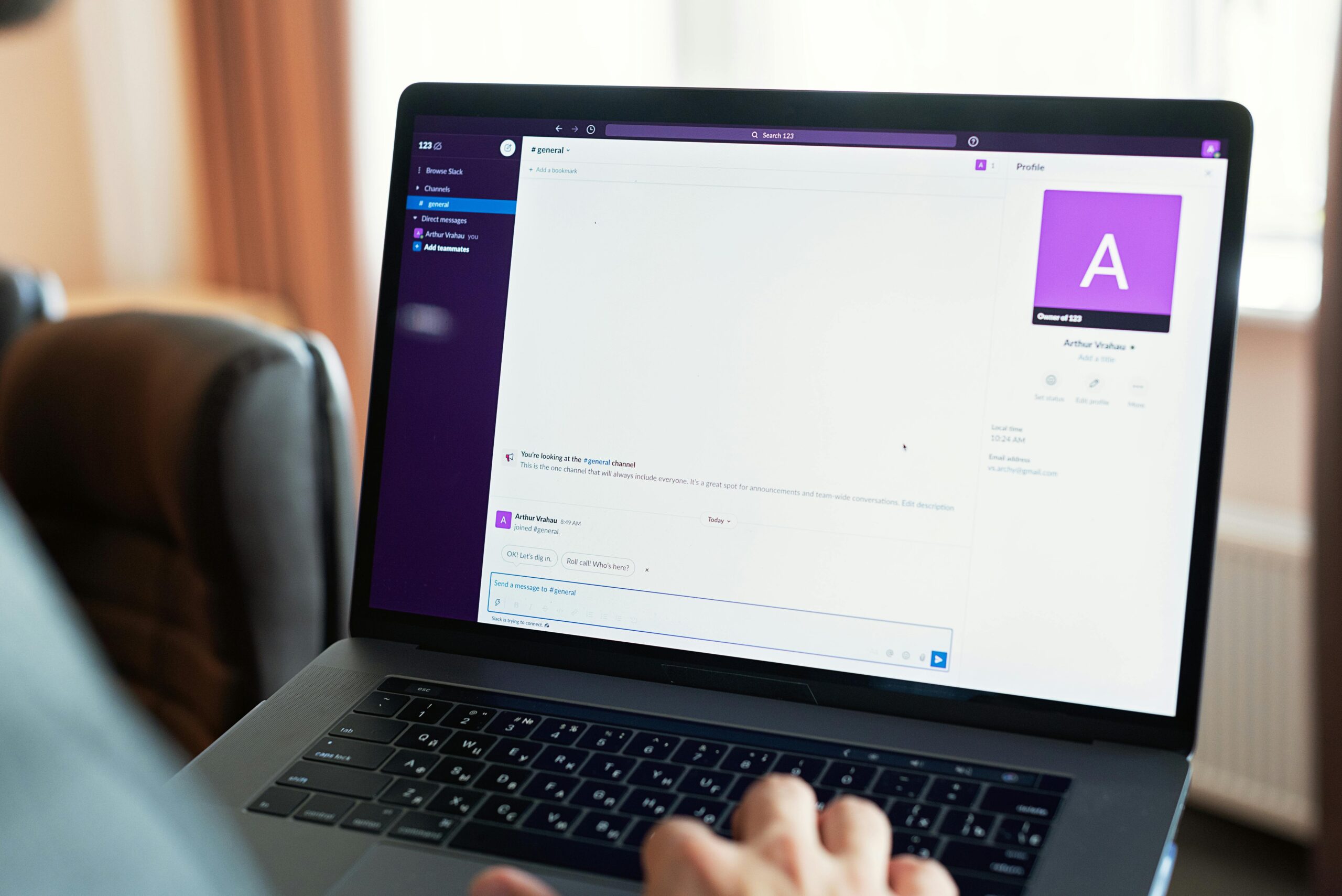
Effective communication relies on more than just words—it depends on how we acknowledge, confirm, and keep momentum alive throughout every exchange.

In our fast-paced digital world, conversations happen across multiple platforms simultaneously. Whether you’re managing customer inquiries, coordinating with team members, or maintaining relationships with clients, the way you handle confirmations can make or break the flow of dialogue. Streamlining these acknowledgments isn’t just about efficiency; it’s about creating meaningful connections that respect everyone’s time while maintaining clarity and professionalism.
The modern communicator faces a unique challenge: balancing thoroughness with brevity, ensuring nothing falls through the cracks while avoiding the trap of over-communication. When confirmations become cumbersome, conversations stall. When they’re too brief, misunderstandings multiply. Finding that sweet spot transforms ordinary exchanges into productive, satisfying interactions that move projects forward and strengthen relationships.
🎯 Understanding the Confirmation Bottleneck
Every conversation contains natural checkpoints where participants need to verify understanding, acknowledge receipt, or confirm next steps. These moments are essential for clarity, yet they often become friction points that slow down communication. The confirmation bottleneck occurs when these necessary acknowledgments become so elaborate or time-consuming that they interrupt the natural rhythm of dialogue.
Consider a typical business exchange: someone sends a detailed proposal, the recipient needs to confirm receipt, ask clarifying questions, schedule a follow-up meeting, and acknowledge any action items. Without a streamlined approach, this simple sequence can spiral into a dozen separate messages spread across hours or days, with each participant waiting for confirmations before proceeding to the next step.
The problem intensifies in team environments where multiple stakeholders require updates. A single decision might need confirmation from five different people, each using their preferred communication style and platform. What should be a straightforward approval process becomes a complex choreography of waiting, following up, and tracking who has responded and who hasn’t.
💡 The Psychology Behind Smooth Confirmations
Human psychology plays a crucial role in how we perceive and process confirmations. Research in communication studies shows that people experience anxiety when their messages go unacknowledged, even briefly. This “message anxiety” drives much of the over-confirmation behavior we see in professional settings—people sending follow-up messages not because they’re genuinely needed, but because silence feels uncomfortable.
On the flip side, excessive confirmation requests can trigger frustration and cognitive overload. When every minor detail requires explicit acknowledgment, recipients feel micromanaged and lose trust in their own judgment. The key is understanding which confirmations are psychologically necessary and which are merely habitual noise.
Effective confirmation strategies tap into positive psychological triggers: the satisfaction of closure, the reassurance of being heard, and the confidence that comes from clear expectations. When done right, a simple confirmation creates a micro-moment of accomplishment that motivates continued engagement rather than becoming another item on an overwhelming to-do list.
⚡ Strategic Approaches to Confirmation Efficiency
Streamlining confirmations begins with strategic thinking about which interactions genuinely require acknowledgment. Not every message needs a response, and not every response needs to be elaborate. Developing a framework for categorizing communications helps everyone understand when and how to confirm effectively.
The Three-Tier Confirmation System
Organizing your communications into three tiers creates clarity around expectations without requiring explicit discussion for every exchange. Tier one includes critical information that requires immediate, explicit confirmation—things like meeting times, financial commitments, or deadline changes. These demand a clear “yes, I understand” response with specific acknowledgment of key details.
Tier two covers important but non-urgent information that benefits from acknowledgment but doesn’t require immediate response. Project updates, informational emails, and routine check-ins fall into this category. A simple emoji reaction, “noted,” or batched response at a designated time works perfectly here.
Tier three encompasses informational messages, FYIs, and updates that don’t require any confirmation unless the recipient has questions or concerns. Treating silence as consent in these cases dramatically reduces confirmation overhead while maintaining open channels for necessary clarification.
Batch Processing Your Acknowledgments
Rather than responding to every message immediately, batch processing confirmations at designated intervals maintains flow without sacrificing responsiveness. Setting expectations that you review and confirm messages at specific times—perhaps three times daily—allows for focused communication periods and uninterrupted work between them.
This approach transforms confirmation from an interruption-driven activity into a managed process. Recipients know when to expect acknowledgment, reducing their anxiety, while you maintain control over your attention and workflow. The key is consistency and clear communication about your confirmation schedule.
🛠️ Tools and Technologies That Help
Modern communication platforms offer sophisticated features designed specifically to streamline confirmations without losing important information. Understanding and leveraging these tools transforms confirmation from a time-consuming chore into a seamless part of natural conversation flow.
Message reaction features—the emoji responses available in most modern platforms—provide lightweight acknowledgment that doesn’t clutter conversation threads. A simple thumbs up confirms receipt and understanding without requiring a full written response. These micro-confirmations maintain momentum while satisfying the psychological need for acknowledgment.
Read receipts and delivery confirmations offer automatic acknowledgment for messages that don’t require verbal response. While some find these features intrusive, when used appropriately they eliminate the need for “got it” messages that add no value beyond confirming receipt. The trick is establishing team norms around whether read receipts imply understanding or merely viewing.
Task management integrations within communication platforms allow confirmations to trigger actions automatically. When someone confirms a deliverable, it automatically updates project management boards, notifies relevant stakeholders, and adjusts timelines—all without additional manual confirmation steps.
Automation for Routine Confirmations
Certain confirmations happen so predictably that automation makes perfect sense. Appointment confirmations, receipt acknowledgments, and status updates can be handled by automated systems that provide immediate feedback without human intervention. This frees people to focus on confirmations that genuinely require judgment and personal attention.
Chatbots and automated response systems handle tier-three confirmations efficiently, providing instant acknowledgment for informational messages while escalating questions that need human response. The key is programming them with enough intelligence to recognize when human intervention is needed rather than frustrating users with robotic responses to nuanced questions.
📋 Creating Confirmation Protocols for Teams
Individual efficiency means little if your team lacks shared understanding about confirmation expectations. Developing clear protocols ensures everyone operates from the same playbook, reducing confusion and the need for meta-conversations about how to communicate about communication.
Start by documenting which types of messages require what level of confirmation. This living document should be specific enough to provide guidance but flexible enough to accommodate different situations. Include examples of each confirmation tier and specify expected response timeframes for different categories of communication.
Regular team retrospectives should include discussion of confirmation practices. What’s working? Where are bottlenecks occurring? Are certain team members consistently waiting for confirmations while others feel bombarded by unnecessary acknowledgment requests? These conversations surface patterns that might not be visible to individuals.
The Confirmation Compact
Consider formalizing a team agreement—a “confirmation compact”—that explicitly outlines mutual expectations. This document might specify that silence within 24 hours implies consent for certain types of decisions, that emoji reactions are sufficient for informational updates, or that specific phrases trigger required confirmations from all stakeholders.
The compact should also address how to handle confirmation failures. What happens when someone doesn’t confirm by the expected deadline? Who follows up, and how? Having these procedures defined in advance prevents the awkward dance of determining whether to send reminder messages or wait longer.
🎭 Cultural Considerations in Confirmation Styles
Confirmation expectations vary significantly across cultures, and what feels streamlined in one context might seem abrupt or insufficient in another. High-context cultures often require more elaborate confirmations that acknowledge relationships and hierarchy, while low-context cultures prefer brief, task-focused acknowledgments.
International teams must navigate these differences thoughtfully, finding approaches that respect diverse communication styles while maintaining efficiency. This might mean building in additional time for confirmations with partners from cultures that value thorough acknowledgment, or providing extra context for colleagues who prefer explicit detail.
Generational differences also influence confirmation preferences. Younger professionals who grew up with texting often prefer minimal confirmations—a heart emoji conveys everything needed. Older colleagues might find such brevity unprofessional and prefer complete sentences that explicitly acknowledge all points. Successful teams acknowledge these preferences rather than imposing one-size-fits-all approaches.
✨ Advanced Techniques for Confirmation Masters
Once you’ve mastered the basics of streamlined confirmations, advanced techniques take your communication efficiency to the next level. These approaches require more sophistication but deliver proportional benefits in terms of time saved and clarity achieved.
The Confirmation Pre-Bundle
When initiating communication that will require confirmations, structure your message to facilitate easy acknowledgment. Rather than sending three separate messages that each need confirmation, bundle related items with numbered points and a simple “please confirm receipt of items 1-3” closing. This allows recipients to respond once rather than three times while ensuring nothing gets missed.
Include explicit next steps and deadlines in your initial message so confirmations can be action-oriented rather than merely acknowledging receipt. “Please confirm you can deliver items A and B by Friday” is more valuable than “Please acknowledge this message,” because it combines confirmation with commitment in a single exchange.
The Implicit Confirmation Framework
For ongoing relationships with established trust, develop implicit confirmation frameworks where certain actions automatically serve as confirmation without requiring explicit acknowledgment. If a team member begins working on a task, that action confirms they received, understood, and accepted the assignment—no separate confirmation message needed.
This approach requires strong mutual understanding and regular calibration to ensure implied confirmations are actually happening. Weekly check-ins can verify that implicit confirmations are working as intended and catch any items that fell through the cracks despite the assumption they were confirmed through action.
🚀 Measuring Confirmation Efficiency
You can’t improve what you don’t measure. Tracking key metrics around confirmation processes reveals bottlenecks and quantifies the impact of streamlining efforts. Time-to-confirmation—how long it takes for messages to receive necessary acknowledgment—serves as a primary indicator of system efficiency.
Message volume per completed action shows how many communications are required to move something forward. If a simple decision requires 20 messages to confirm and execute, there’s clear room for streamlining. Tracking this metric over time demonstrates whether efficiency initiatives are working.
Confirmation rework—instances where unclear initial confirmations lead to follow-up clarifications—indicates where communication protocols need strengthening. High rework rates suggest confirmations are being streamlined at the expense of clarity, signaling the need for better balance.
🌟 The Future of Seamless Confirmations
Emerging technologies promise to make confirmations even more seamless. Artificial intelligence systems are becoming sophisticated enough to distinguish between messages requiring human confirmation and those that can be automatically acknowledged. Machine learning algorithms analyze communication patterns to suggest optimal confirmation approaches for different contexts and relationships.
Voice-activated confirmations through smart assistants allow hands-free acknowledgment while multitasking, removing another friction point from the confirmation process. As natural language processing improves, these systems will better understand context and nuance, providing more intelligent automatic confirmations.
Augmented reality interfaces may soon display confirmation status in real-time during conversations, showing which points have been acknowledged and which remain pending without requiring explicit verbal confirmation. These visual cues could maintain the social benefits of acknowledgment while eliminating the time cost of verbal or written confirmation.
🎯 Practical Implementation Roadmap
Transforming confirmation practices doesn’t happen overnight. Start by auditing your current communication patterns over one week, noting how much time you spend on confirmations and where delays occur. This baseline assessment reveals your biggest opportunities for improvement.
Choose one streamlining technique to implement first—perhaps introducing message reactions for tier-two confirmations or establishing batch processing times. Give the new approach two weeks to become habitual before adding additional changes. Gradual implementation prevents the overwhelm that comes from trying to revolutionize all communication practices simultaneously.
Share your streamlining efforts with key communication partners, explaining the changes and inviting them to adopt similar practices. You can only control your own confirmation behavior, but transparent communication about your approach often inspires others to examine and improve their practices as well.
Review and refine your approach quarterly, adjusting based on what’s working and what isn’t. Confirmation efficiency isn’t a destination but an ongoing practice that evolves with your communication needs, available tools, and relationship dynamics. What works perfectly today might need adjustment as circumstances change.

💬 Making Every Confirmation Count
The ultimate goal of streamlining confirmations isn’t to eliminate acknowledgment but to make every confirmation meaningful. When you remove the clutter of unnecessary acknowledgments, the confirmations that remain carry more weight and receive more attention. Recipients know that when you ask for confirmation, it genuinely matters.
This selectivity creates a virtuous cycle: because your confirmation requests are rare and important, people respond quickly and thoroughly. Because they respond reliably, you need fewer follow-ups and reminders. The relationship becomes more efficient and more trusting simultaneously.
Streamlined confirmations respect everyone’s most precious resource—attention. By confirming thoughtfully rather than reflexively, you signal that you value both your time and your communication partners’. This respect forms the foundation of productive professional relationships that accomplish more with less friction.
The conversations that matter most aren’t interrupted by confirmation overhead but flow naturally toward outcomes. Messages receive appropriate acknowledgment without becoming burdensome. Decisions move forward with confidence that everyone understands their role. This is the promise of truly streamlined confirmations—communication that works as smoothly as thought itself, allowing ideas and actions to take center stage while the mechanics of acknowledgment fade into the background where they belong.