Turn-taking in user design determines whether digital interactions feel natural or frustrating. Mastering this conversational element creates seamless experiences that keep users engaged and satisfied.

🎯 The Foundation of Conversational Design
Human conversation follows an intuitive rhythm where participants naturally take turns speaking and listening. This fundamental pattern shapes how we expect all interactions to flow, including those with digital interfaces. When designers ignore these innate expectations, users experience friction, confusion, and ultimately abandon the experience altogether.
Turn-taking in user design refers to the structured exchange between user input and system response. It encompasses everything from button presses and voice commands to chat interactions and form submissions. The quality of these exchanges directly impacts user satisfaction, task completion rates, and overall product success.
Modern users interact with dozens of digital products daily, developing sophisticated expectations for responsive, predictable turn-taking patterns. They expect immediate acknowledgment, appropriate response times, and clear signals about whose turn it is to act next. Meeting these expectations requires deliberate design choices grounded in both human psychology and technical capability.
⚡ Why Turn-Taking Patterns Matter for User Experience
The psychological impact of well-designed turn-taking extends far beyond simple usability. When interactions flow smoothly, users enter a state of engagement where the interface becomes nearly invisible, allowing them to focus entirely on their goals rather than the mechanics of the interaction itself.
Poor turn-taking creates cognitive load. Users must constantly wonder whether the system received their input, whether they should wait or act again, and whether something went wrong. This uncertainty triggers stress responses that fundamentally alter how people perceive and evaluate the entire experience.
The Cost of Broken Turn-Taking
Research consistently shows that even minor delays or ambiguous turn-taking patterns significantly impact user behavior. A delay of just 300 milliseconds can make users perceive a system as less intelligent and less trustworthy. Ambiguity about whose turn it is leads to double-clicks, repeated commands, and abandoned tasks.
Conversational AI systems face particularly acute turn-taking challenges. Users bring expectations from human conversations where interruptions, simultaneous speech, and quick turn transitions are normal. Digital systems that cannot handle these patterns feel robotic and frustrating, regardless of their underlying intelligence.
🔄 Core Principles for Seamless Turn-Taking Design
Designing effective turn-taking requires understanding several foundational principles that govern successful human-computer interaction. These principles work together to create experiences that feel natural, responsive, and trustworthy.
Immediate Acknowledgment Creates Confidence
Every user action requires immediate system acknowledgment, even if the full response takes time. This acknowledgment can be as simple as a visual state change, a loading indicator, or a brief sound. The critical element is signaling that the system received the input and has taken its turn to respond.
Acknowledgment should occur within 100 milliseconds of user action. This threshold aligns with human perception of cause and effect. Delays beyond this point create a disconnect where users question whether their action registered at all.
Clear Turn Indicators Prevent Confusion
Users must always know whose turn it is: theirs or the system’s. Visual cues, enabled and disabled states, progress indicators, and animation all communicate turn ownership. Ambiguous states where users cannot determine if they should wait or act create the most problematic interaction patterns.
Effective turn indicators adapt to context. During quick interactions, subtle cues suffice. For longer processes, more explicit indicators prevent user anxiety. The key is matching indicator prominence to expected wait time and task importance.
Predictable Response Times Build Trust
Consistency in turn-taking timing helps users develop accurate mental models of system behavior. When response times vary wildly without explanation, users become uncertain and frustrated. Predictable patterns allow users to plan their actions and maintain workflow rhythm.
For operations that inherently have variable timing, communicating progress and estimated completion builds trust. Users can accept long waits when they understand what’s happening and approximately how long it will take.
💬 Designing Turn-Taking for Conversational Interfaces
Voice assistants, chatbots, and messaging interfaces present unique turn-taking challenges. These systems must navigate the complexities of natural language while managing technical constraints around speech recognition, natural language processing, and response generation.
Voice Interface Turn-Taking Dynamics
Voice interactions demand sophisticated turn-taking management because they occur in real-time without visual feedback. Users cannot see whether the system is listening, processing, or preparing to respond. Audio cues become critical for maintaining conversational flow.
Successful voice interfaces use distinct sounds or brief phrases to signal turn transitions. A subtle tone confirms that the system finished listening and began processing. Another cue indicates when the system will begin speaking. These auditory markers mirror the subtle signals humans use in face-to-face conversation.
Handling interruptions gracefully separates excellent voice interfaces from mediocre ones. Users expect to interrupt long responses, just as they would interrupt another person. Systems that cannot be interrupted feel unnatural and controlling, violating fundamental conversational norms.
Chat and Messaging Turn-Taking
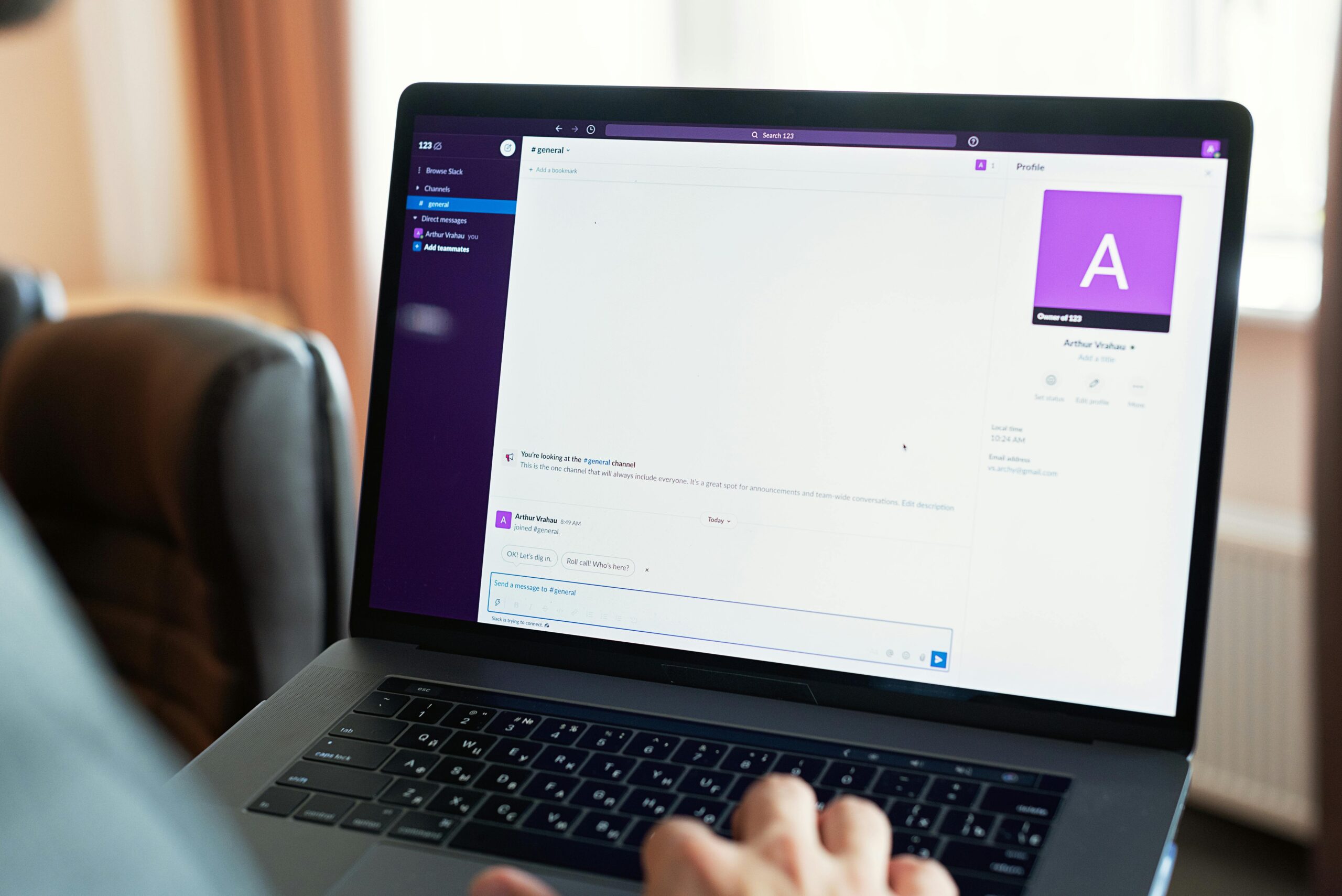
Text-based conversational interfaces benefit from visual turn indicators that show when the system is “typing.” This familiar pattern borrowed from human messaging creates appropriate expectations about response timing. The typing indicator duration should roughly match the perceived complexity of generating the response.
Multi-turn conversations in chat interfaces require careful state management. Users must understand whether the conversation remains open, whether their next message will be interpreted in context, or whether they need to restart. Clear visual differentiation between active and concluded conversations prevents confusion.
🎨 Visual Design Elements That Support Turn-Taking
Visual design plays a crucial role in communicating turn-taking patterns. Every color, animation, and layout choice either clarifies or obscures whose turn it is and what should happen next.
Button States and Interactive Feedback
Buttons represent the most basic turn-taking interaction. Their visual states must clearly distinguish between enabled, hover, active, disabled, and processing. Users should never wonder whether clicking a button will do something or whether their previous click is still processing.
- Enabled states invite action with clear visual contrast and cursor changes
- Active states provide immediate tactile feedback during the click itself
- Processing states disable further clicks while showing clear activity
- Disabled states prevent actions while communicating why they’re unavailable
- Success states confirm completion before transitioning to the next step
Loading Indicators and Progress Communication
Loading indicators serve as turn holders, occupying the system’s turn while work completes. Different indicator types communicate different expectations. Indeterminate spinners signal unknown duration. Progress bars communicate measurable completion. Skeletal content previews reduce perceived wait time by showing structure before content.
The choice of loading indicator should match the expected duration and user need for precision. Quick operations under two seconds work well with simple spinners. Longer operations benefit from progress bars or percentage indicators. Very long operations require more detailed status updates with cancel options.
⚙️ Technical Implementation of Turn-Taking Systems
Behind every smooth turn-taking experience lies robust technical architecture. Implementing effective turn-taking requires careful attention to state management, error handling, and performance optimization.
State Management for Turn Control
Applications must maintain clear state about whose turn it is at any moment. This state governs which inputs are accepted, what visual feedback appears, and how the system responds to user actions. Poor state management leads to race conditions where multiple turns overlap or gaps appear where neither party holds the turn.
Effective state management uses explicit turn states: idle (waiting for user input), processing (system working), responding (system outputting), error (turn failed), and complete (interaction finished). Transitions between these states should be atomic and predictable.
Error Recovery and Turn Resumption
Errors disrupt turn-taking flow, creating ambiguity about whose turn it is and what should happen next. Excellent error handling returns the turn to the user with clear options for proceeding. Users should never feel stuck in the system’s turn with no way to regain control.
Timeout handling requires particular attention. When system responses take too long, users need options: continue waiting with updated information, cancel the operation, or try an alternative approach. Simply failing silently leaves users in limbo, uncertain whether to wait or act.
📊 Measuring Turn-Taking Effectiveness
Quantifying turn-taking quality helps teams identify problems and track improvements. Several metrics provide insight into how well turn-taking patterns serve users.
Key Metrics for Turn-Taking Analysis
| Metric | What It Measures | Target Range |
|---|---|---|
| Time to First Response | Delay between user action and system acknowledgment | Under 100ms |
| Turn Completion Rate | Percentage of turns that successfully complete | Above 95% |
| Duplicate Action Rate | How often users repeat actions (indicating unclear turn state) | Below 5% |
| Error Recovery Time | How long users take to recover from turn failures | Under 3 seconds |
These metrics work best when tracked across different user segments, devices, and network conditions. Turn-taking problems often manifest differently for mobile users, users on slow connections, or users with accessibility needs.
🌐 Turn-Taking Across Devices and Contexts
Modern users switch between devices and contexts constantly. Turn-taking patterns must adapt while maintaining consistency in the underlying interaction model.
Mobile Turn-Taking Considerations
Mobile devices introduce unique turn-taking challenges. Touch interactions lack the hover states that desktop interfaces use to preview actions. Network connectivity varies dramatically, affecting response times. Users often interact in distracting environments where maintaining context is difficult.
Effective mobile turn-taking emphasizes larger touch targets, more prominent state feedback, and graceful handling of network delays. Optimistic updates allow users to continue their turn even while the system processes previous actions in the background.
Multi-Modal Turn-Taking
Increasingly, interfaces combine voice, touch, and gesture inputs. Managing turns across modalities requires deciding which input method takes precedence and how to handle conflicting inputs. Clear affordances help users understand which modality to use for each type of action.
The strongest multi-modal designs allow users to switch modalities mid-interaction without losing context. A user might start with voice, switch to touch for precise selection, then return to voice for confirmation. Each modality transition should feel natural rather than jarring.
🚀 Advanced Turn-Taking Patterns for Complex Interactions
Simple request-response patterns work well for basic interactions, but complex workflows require more sophisticated turn-taking approaches.
Collaborative Turn-Taking
Some interfaces allow users and systems to work simultaneously, blending turns rather than alternating strictly. Real-time collaborative documents exemplify this pattern, where multiple actors (human and automated) contribute concurrently. Managing these interactions requires careful conflict resolution and clear attribution of changes.
Anticipatory Turns
Advanced systems predict user needs and prepare responses before users explicitly request them. This anticipatory approach shortens perceived turn times by completing work during user think time. When implemented well, anticipatory turns feel magical. When implemented poorly, they feel presumptuous and intrusive.
The key to successful anticipatory turns is maintaining user control. Users must be able to reject or modify anticipated responses easily. The system takes its turn but holds the results tentatively until the user confirms their direction.
🎯 Building Turn-Taking Excellence Into Your Design Process
Creating seamless turn-taking experiences requires intentional focus throughout the design and development process. Teams must consider turn-taking from initial concept through final implementation and ongoing optimization.
Prototyping Turn-Taking Early
Turn-taking patterns should be prototyped and tested early, even before full functionality exists. Simple prototypes that accurately represent timing, feedback, and state transitions reveal problems that static mockups miss entirely. Users can evaluate whether turn-taking feels natural long before the underlying functionality is complete.
Cross-Functional Turn-Taking Alignment
Excellent turn-taking requires alignment between design, development, and content teams. Designers specify the patterns, developers implement the technical infrastructure, and content creators craft the messages that guide users through turns. Misalignment in any area creates friction.
Regular reviews focused specifically on turn-taking help teams maintain quality. These reviews should examine real user sessions, measuring actual timing, identifying confusion points, and evaluating error scenarios.
✨ The Future of Turn-Taking in User Experience
Emerging technologies continue to evolve turn-taking patterns. Artificial intelligence enables more sophisticated natural language understanding and generation, allowing more flexible conversational turns. Improved sensors and context awareness allow systems to better understand when to take turns without explicit user commands.
The fundamental principles remain constant even as technologies evolve. Users will always need immediate acknowledgment, clear turn indicators, and predictable responses. The specific implementations will continue adapting to new capabilities and contexts, but the core goal persists: creating interactions so smooth that users can focus entirely on their goals rather than the mechanics of the exchange.
Mastering turn-taking transforms functional interfaces into delightful experiences. Every interaction becomes an opportunity to build trust, reduce friction, and demonstrate respect for users’ time and attention. The investment in excellent turn-taking pays dividends in user satisfaction, task completion, and long-term engagement. Design teams that prioritize seamless turn-taking create competitive advantages that users immediately recognize and appreciate.